Wool is a natural material used in bedding for its soft feel, resilience, and ability to help regulate warmth. Wool fibers can absorb and release moisture, supporting a more comfortable sleep environment across changing room temperatures. Its distinctive structure makes wool relevant to pillows, mattress components, and other sleep products.
Wool pillows provide cushioning while allowing air to move through the fill. Their loft and support depend on the amount and arrangement of wool, as well as the pillow’s construction. These characteristics can help sleepers understand how a wool pillow may complement their preferred sleeping position and bedding setup.
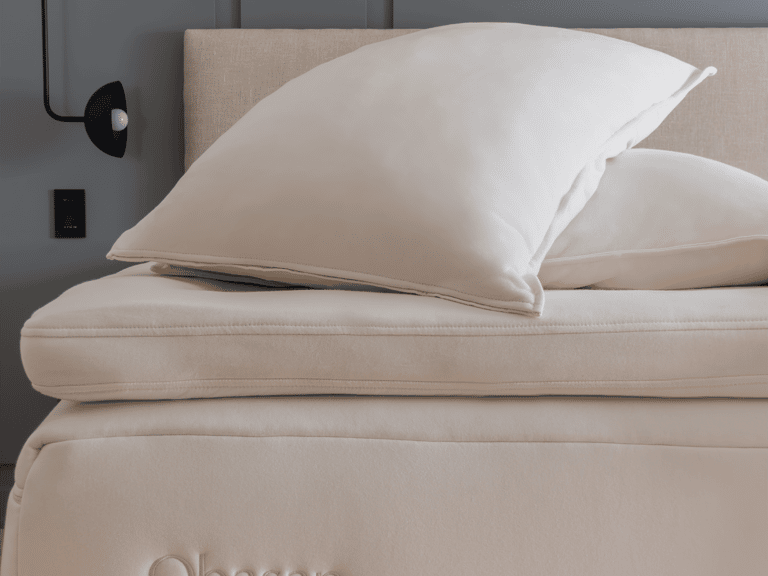
The Obasan Organic Wool Pillow combines wool filling with an organic-material focus. Wool’s natural springiness can help the pillow retain its shape while providing adaptable support for the head and neck. Its breathable, moisture-managing qualities may contribute to a more balanced sleep climate than materials that trap heat or dampness.
Wool is also relevant to bedding systems that include sheets and organic mattresses, where different materials influence comfort, airflow, and warmth. For families considering organic crib mattresses, checking product specifications and age-appropriate safety guidance is important. A pillow is not a substitute for safe infant sleep practices or a suitable crib surface.
When evaluating wool bedding, consider fiber sourcing, construction, firmness, and care instructions. Natural fibers may require different cleaning methods from synthetic fills, so follow the manufacturer’s guidance to maintain their condition. Comparing these details helps clarify whether wool pillows and related bedding meet individual comfort preferences and household needs.
 Bedding