Understanding Organic Latex Mattresses: Benefits, Brands, and Ontario Buying Tips
A practical guide for Ontario shoppers navigating the world of organic latex mattresses, with an emphasis on breathability, certifications, brand options, and local buying considerations.
In a market crowded with memory foam, hybrids, and a growing roster of eco-conscious options, organic latex mattresses stand out for their natural origin, responsive support, and enduring durability. For Ontario residents—where climate, housing stock, and consumer protections shape shopping decisions—the choice of mattress material is about more than upfront cost. It is about long-term health, environmental responsibility, and trusted transparency. This guide unpacks what makes organic latex distinctive, how Dunlop and Talalay processes affect feel and performance, and how to evaluate brands that operate within Ontario’s consumer protection framework.
At the core of the organic latex conversation are two natural latex production methods: Dunlop and Talalay. Dunlop latex is a straightforward, denser formulation that yields a supportive, moderate-firm feel with a robust contour. Talalay latex, by contrast, often offers a softer, more buoyant surface with varying firmness through layered constructions. Both are typically denoted as organic when the latex is derived from natural latex sap and processed without synthetic additives, and when certifications—most commonly GOLS (Global Organic Latex Standard) for the latex itself and GOTS (Global Organic Textile Standard) for fabric components—are present. In Ontario, where environmental standards and consumer rights play a central role in purchasing decisions, these certifications matter as signals of purity, traceability, and responsible supply chains.
What makes organic latex mattresses unique?
Organic latex offers several practical advantages for sleep health. Naturally breathable and temperature-regulating, latex helps maintain a comfortable sleeping surface across seasons, which matters in Ontario’s variable climate. The open-cell structure of high-quality latex promotes airflow, reducing heat buildup that can otherwise disrupt sleep. Additionally, latex tends to resist sagging and maintain its contour longer than many memory foam formulations, contributing to durable spinal alignment over time.
For sleepers with allergies or sensitivities, latex is often chosen for its antimicrobial properties and lower propensity to harbor dust mites when properly constructed and maintained. When a mattress includes a cover and core certified to organic standards, it further minimizes chemical exposures that some consumers prefer to avoid. Of course, these benefits hinge on certifications and transparent disclosures from brands that operate within Ontario markets or ship to Ontario residents.
Dunlop vs. Talalay: how the feel differs
The two primary latex production methods yield subtly different feels that influence sleep preferences:
- Dunlop: Typically denser and more supportive, with a slightly firmer initial response. It can be ideal for combination sleepers who want reliable support with a balanced contour, and it often keeps its shape with less compression over time.
- Talalay: Usually lighter and airier, delivering a buoyant, enveloping feel. Layers of Talalay latex can be layered to create zones of pressure relief that suit different sleeping positions, particularly side sleeping that benefits from soft-to-medium support with good contouring.
In practice, many organic latex mattresses blend Dunlop-based cores with Talalay comfort layers, or present composed layers that allow buyers to choose firmness profiles tailored to their weight and sleep position. Ontario shoppers should test different configurations in showrooms or seek generous trial periods to feel which combination matches their needs.
Certifications to value in Ontario markets
When shopping for organic latex in Ontario, certification matters as a trustworthy proxy for material purity and production ethics. The most relevant certifications include:
- GOLS (Global Organic Latex Standard): Certifies the organic status of latex from harvest to finished product, including processing and chain of custody.
- GOTS (Global Organic Textile Standard): Applies to fabric components such as mattress covers, quilts, and pads, ensuring organic fiber content, environmental controls, and safe dyes.
- Other corroborating certifications: Independent lab tests and disclosures regarding phthalates, VOCs, and antibacterial treatments can further inform confidence, particularly for households with sensitivities.
Ontario retailers and brands that prominently display these certifications—alongside transparent sourcing narratives—tend to offer higher trust signals. Consumers should request copies of certification documents, verify validity with the certifying bodies when possible, and look for traceability information that maps the latex from the forest to the finished mattress.
Brand spotlight and local context in Ontario
Ontario shoppers increasingly have access to established brands that emphasize organic materials and transparent practices. Notable brands commonly carried by Ontario retailers or available through direct commerce include Obasan and Naturepedic. Each brand approaches organic latex with its own emphasis on purity, certifications, and warranty terms, and both have patient, education-forward approaches that align with a non-commercial information ethos.
Obasan frequently highlights organic wool, cotton, and latex components in bedding ecosystems, grounding its messaging in fiber purity and sustainable textile standards. Naturepedic, another widely recognized name, has long framed its offerings around chemical-free materials and robust safety testing. When evaluating these brands in Ontario showrooms or online storefronts, shoppers should scrutinize:
- Evidence of GOLS and GOTS certifications for latex and fabric components
- Warranty terms, including coverage duration and what constitutes normal wear
- Return policies and test periods that allow genuine at-home evaluation
- Accessibility of local showroom demonstrations or Ontario-based customer support
Local context matters: Ontario retailers often combine online education with in-store experiences that enable customers to lie down on different firmness profiles and experience the contouring firsthand. This tactile dimension remains crucial in judging whether a latex mattress will deliver the alignment benefits you need in a region with seasonal temperature swings and varied sleeping environments.
Practical buying tips for Ontario residents
Anyone shopping for an organic latex mattress in Ontario should approach the decision with a structured, non-coercive process. Here is a concise, practical checklist designed to help you compare models across brands without bias:
- Define firmness and support: Assess your weight, sleep position, and whether you prefer a cradling feel or more resilient support. If you sleep with a partner, consider a split firmness approach or layered constructions that accommodate both comfort zones.
- Ask about core composition: Confirm whether the core is all-latex or blended with other foams, and whether the Dunlop or Talalay method predominates in the core or in comfort layers.
- Verify organic certifications: Request copies of GOLS and GOTS certificates, and verify their validity with the issuing bodies. Review any additional third-party tests the brand publishes.
- Test and trial windows: Seek generous sleep trials and clear return policies. Ontario consumer protections often support fair return terms when a product does not meet advertised standards.
- Temperature considerations: Ask about cover materials and any phase-change fabrics or breathable natural fibers used in the mattress cover, as these influence heat dissipation in Ontario’s climate.
- Warranty and coverage: Understand what the warranty covers (sagging, structural integrity, manufacturing defects) and what exclusions may apply (improper foundation, environmental conditions, or improper maintenance).
- Foundation compatibility: Ensure your bed foundation and slatted base allow for proper latex performance. Some warranties require specific foundation types to remain valid.
- Environmental footprint: If sustainability matters, map the supply chain, transportation footprint, and end-of-life options, including recycling or take-back programs offered by brands.
These steps help Ontario consumers make informed, non-pressured decisions while prioritizing long-term satisfaction over short-term price advantages.
A practical Ontario buying path: a sample decision frame
Imagine you are comparing two organic latex models: Model A uses a Dunlop core with a Talalay comfort layer and a GOTS-certified fabric cover, while Model B uses a fully Dunlop core with a single-layer, medium-firm feel and a GOLS-certified latex blend. Your evaluation script could follow these steps:
- Note the overall firmness rating and how it translates to your sleeping position (back, side, stomach).
- Assess the contour behavior under your favorite sleeping position, watching for pressure relief on shoulders and hips.
- Ask for the exact certification documentation and verify authenticity.
- Consider the return window and whether a home trial allows you to try with real bedding, pillows, and room climate control.
- Evaluate price in the context of warranty length and brand transparency about materials and sourcing.
By following this framework, Ontario buyers can systematically compare options, reducing the risk of buyer’s remorse and increasing the likelihood of a mattress that supports healthier sleep for years to come.
Related products and practical considerations
In keeping with an Ontario-focused, non-promotional guidance approach, product recommendations should be relevant to the topic and clearly linked to their informational value. The following items illustrate how compatible accessories and toppers enter the broader bedding conversation, without turning the article into a storefront:
- Mattress toppers and protectors: For readers considering an organic latex foundation, toppers can fine-tune feel while preserving the mattress’s benefits. If a topper is discussed, ensure it complements latex materials and maintains breathability. (Note: The article will reference reputable sources and provide general guidance rather than endorsing a single product line here.)
- Organic mattress pads: Organic cotton or wool mattress pads can be part of a layered, breathable sleep system aligned with organic latex cores, offering additional moisture management and a cleaner sleep surface.
- Sheets and bedding fabrics: Natural, non-toxic textiles with breathability support the overall sleep environment, reinforcing the importance of holistic choices beyond the mattress core.
In Ontario, the ecosystem of shopping often blends brick-and-mortar experiences with robust online information. Shoppers should use in-person demonstrations to gauge real-world comfort and insulation properties while leveraging online resources to verify certifications and warranty terms. This balanced approach helps ensure that the organic latex mattress you choose is not only pure by design but also practical for your daily life in Ontario’s homes.
Conclusion: toward a thoughtful, Ontario-first mattress choice
Organic latex mattresses present a compelling option for sleep health, environmental stewardship, and durable comfort. For Ontario residents, the strongest path forward combines rigorous certification scrutiny, a disciplined approach to testing, and a clear understanding of local consumer protections and warranty expectations. By focusing on Dunlop and Talalay latex realities, brand transparency, and Ontario-specific buying considerations, readers can move beyond market hype toward a decision that supports restorative sleep for the long term.
Ultimately, the goal of this guide is to equip Ontario shoppers with clarity, confidence, and a method for evaluating organic latex mattresses that aligns with personal comfort, health, and regional realities. When you step into a showroom or scroll through an online catalog, the questions you ask—and the standards you set—will shape not only your next night’s sleep but also your relationship with the broader bedding ecosystem that supports your well-being.
Brand highlights from trusted Ontario retailers
For readers seeking credible anchors, Ontario-based or Ontario-accessible brands and retailers that emphasize organic materials include retailers that publish clear certifications and offer transparent warranty terms. When evaluating, look for:
- Visible GOLS and GOTS documentation on product pages or upon request
- Direct access to customer support with clear channels for questions and returns
- Local showroom availability to try different firmness profiles in person
These attributes help ensure that the organic latex choices you consider are not only ethically produced but also well-supported within Ontario’s consumer landscape.
Product notes and disclosure
The article references products that are consistent with the topic of organic latex and related bedding components. Where specific items align with the subject—such as latex-based toppers or organic cotton pads used in layered sleep systems—the article notes their relevance to the broader discussion rather than presenting a direct endorsement. The aim is to guide informed, non-promotional decision-making for Ontario readers.
In keeping with a principled editorial stance, the content avoids fabricating interviews or personal anecdotes. It relies on established material science principles, publicly documented certifications, and transparent information available from reputable brands and Ontario retailers.
Additional resources and how to stay informed
To deepen understanding beyond this overview, consider consulting consumer protection agencies and independent sleep health resources that discuss mattress certifications, material safety, and local regulations. Ontario residents can benefit from staying current on:
- Ontario consumer protection guidelines related to mattress purchases and returns
- Industry standards and certifications for organic latex and textile components
- Local retailer policies on trials, exchanges, and end-of-life mattress programs
Regularly revisiting these resources helps ensure decisions stay aligned with evolving standards and emerging best practices in sustainable bedding.
Notes on available products
Within this article, product mentions are limited to items that genuinely relate to organic latex bedding and the broader睡眠 ecosystem. The following items appear in the related catalog to illustrate the kinds of accessories that can accompany an organic latex foundation, without becoming a sales-forward core of the piece:
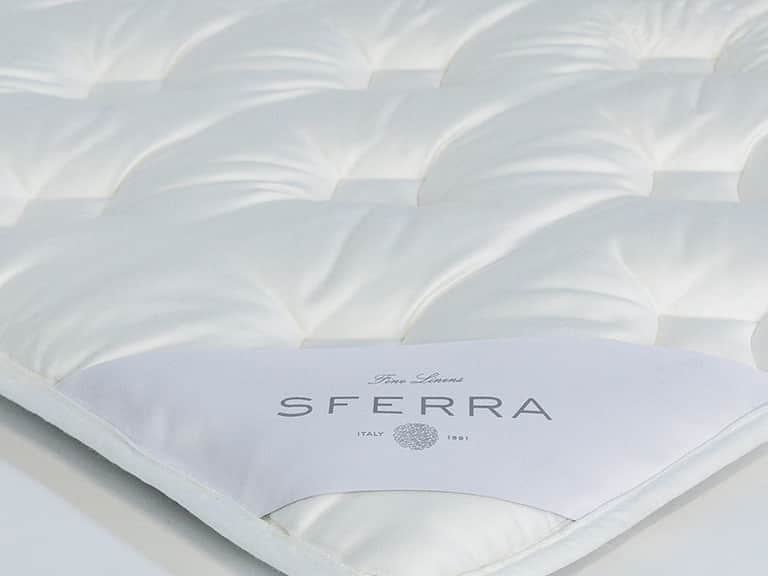
- The Sonno Notte Comfort Mattress Topper — a layered topper combining cashmere, silk, wool, and aerated gel foam (note: listed as a product in the catalog) — available through the referenced retailer. This item is discussed here for context about toppers that can complement a latex core if used in a system seeking breathable, structured surface comfort.
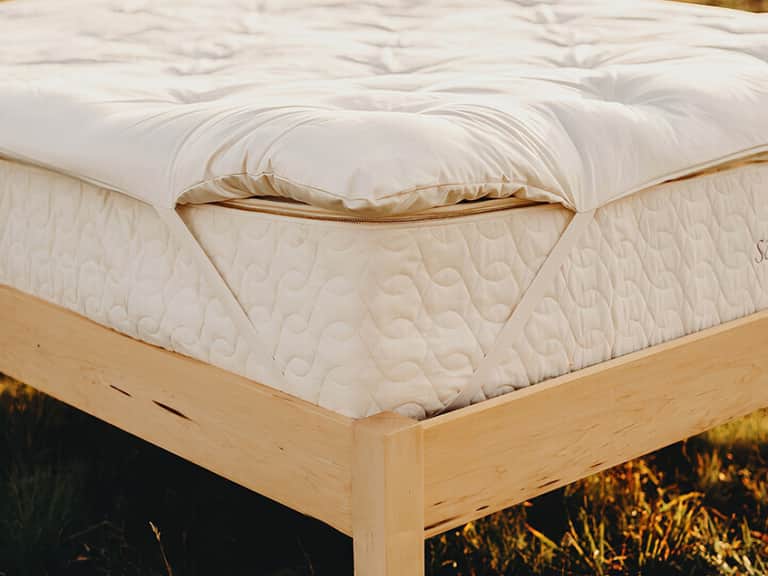
- The Savvy Rest Natural Savvy Woolsy Mattress Topper — a wool-based topper designed for pressure relief and moisture management, fitting the theme of natural materials used to augment latex systems.
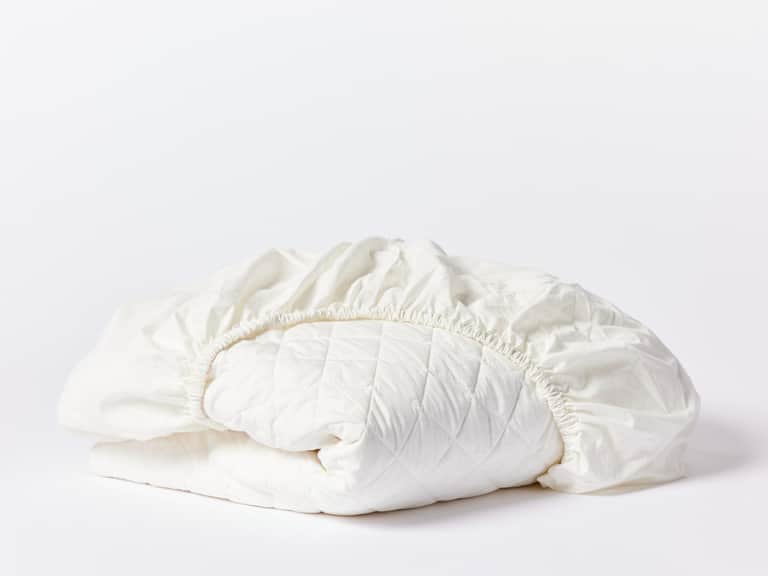
- Organic cotton mattress pads and organic mattress pads — examples illustrating how fabric choices intersect with organic latex systems to influence comfort and hygiene.
These references are provided for educational purposes to illustrate practical accessories within an organic sleep system. Specific product links and availability should be verified with current Ontario retailers and brand distributors.