Mattress Care · Ontario Consumer Guide
How to Care for a Natural Latex Mattress: Cleaning, Airing, and Protection
Natural latex is resilient, but it is not a surface to scrub, soak, or treat like a washable blanket. A careful routine—prompt attention to spills, sensible airing, and a well-fitted protector—can help keep a latex mattress clean and comfortable without putting its materials at needless risk.
Published November 5, 2026
A mattress is easy to forget until something goes wrong: a drink tips, a child has an accident, a damp room leaves the bedding clammy, or a new smell makes the whole bed seem suspect. With natural latex, the instinct to respond quickly is sound. The method matters. Latex mattresses are substantial, layered products, and many are not designed to be washed or saturated. Water and harsh cleaning agents can do more harm than the mark they are meant to remove.
The safest approach is unglamorous and effective: check the maker’s care instructions, use the least moisture necessary, let the mattress dry fully, and keep routine spills and perspiration from reaching it in the first place. Those habits are not a guarantee against wear. They are practical ways to reduce avoidable damage while respecting the materials and construction of a particular mattress.
Because “natural latex mattress” can describe products with different covers, cores, layers, and quilting, there is no single cleaning instruction that fits every model. A mattress may contain latex foam alongside wool, cotton, adhesives, or other components. The label and manufacturer’s guidance should take precedence over general advice—including the guidance here.
Start with the mattress maker’s instructions
Before cleaning, rotating, moving, or airing a mattress, look for the care label and the manual that came with it. If those are missing, check the manufacturer’s website or contact the maker with the model name. Ask specifically whether the cover is removable, whether the mattress should be rotated, and what cleaning products, if any, are permitted.
Details that appear minor can change the right answer. Some covers are intended to remain on the mattress; others may be removable but not machine washable. A zip does not necessarily mean a cover should be taken off. Removing it could affect the fit, expose materials that are not meant to be handled, or complicate a warranty claim. Likewise, not all mattresses are designed to be flipped or rotated. Construction varies, and a one-size-fits-all schedule can be wrong for a one-sided design.
Keep the care instructions, receipt, and warranty information together. If a spill is substantial or the mattress has been damaged, photographs and notes about what happened may help when you contact the manufacturer. Avoid making a repair or using a treatment before checking whether it could affect warranty coverage.
How to handle a small spill or mark
Speed is useful, but flooding the mattress is not. For a fresh spill, remove sheets and other bedding, then gently blot the area with a clean, absorbent cloth. Press and lift; do not rub. Rubbing can spread the liquid, work it deeper into the cover, or abrade the fabric. Use dry cloths first and replace them as they absorb moisture.
If the manufacturer permits spot cleaning, dampen a clean cloth lightly with cool water and dab the affected area. The cloth should be damp, not dripping. Work from the outside of the mark toward its centre to limit spreading, and avoid pushing liquid down into the mattress. For persistent staining, ask the manufacturer what product is appropriate for the specific cover. Do not assume a detergent that works on cotton sheets is suitable for a mattress cover or latex core.
- Blot, don’t scrub: gentle pressure helps lift liquid without spreading it or roughing up the surface.
- Use little or no liquid: a mattress is difficult to dry internally, so saturation can create a lingering moisture problem.
- Skip harsh products: bleach, solvents, strong stain removers, and abrasive cleaners may damage fabrics or finishes.
- Do not apply unapproved treatments: essential oils, sprays, powders, and deodorizing products can leave residue or affect materials.
- Do not steam-clean: heat and added moisture are poor choices unless the manufacturer explicitly approves that method.
Once the spot has been blotted, leave the bed uncovered until the surface is dry. Good airflow helps; direct, intense heat is not a substitute. Avoid putting the mattress in a clothes dryer, using a heat gun, or placing it against a radiator. If liquid has soaked deeply through the cover, or if the mattress remains damp or develops a persistent odour, contact the manufacturer or a qualified cleaning professional for advice rather than escalating with stronger chemicals.
Airing the mattress: fresh air, not a cure-all
Regularly airing the bed is simple housekeeping. When changing the sheets, leave the mattress uncovered for a short period so moisture from normal use can evaporate from the surface. Keep the room reasonably ventilated, and make sure the mattress is resting on a clean, dry, supportive foundation. In a humid room, a dehumidifier or improved ventilation may be more useful than leaving bedding off for hours.
Airing is not the same as leaving a mattress outside. Outdoor air can bring pollen, dust, moisture, and direct sunlight. Prolonged exposure to strong sunlight or heat may affect some mattress materials and fabrics. If you want to move the mattress for cleaning or ventilation, follow the maker’s instructions and use enough help to handle its weight without bending, dragging, or dropping it.
There is no universal airing timetable. A brief interval during regular sheet changes may be sufficient in a dry, well-ventilated room. If the mattress feels damp, first identify the source: wet bedding, a poorly ventilated room, a spill, or moisture beneath the bed. Airing can help with surface moisture, but it cannot fix a leak or a persistently humid environment. If dampness returns, address the cause before it becomes an ongoing problem.
Choose protection that matches the job
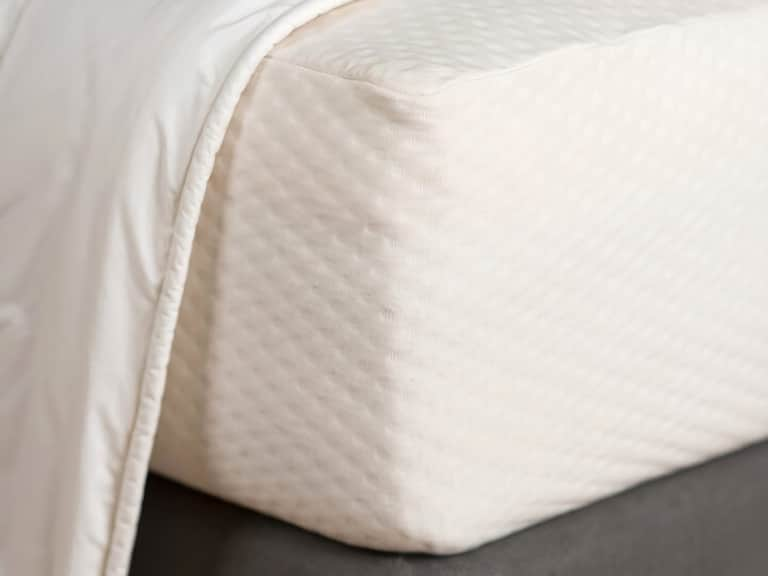
A mattress protector is a barrier between the mattress and everyday life. It can help reduce contact with perspiration, skin oils, dust, and accidental spills. The word “protector,” however, does not tell you exactly how much protection a product provides. Some protectors are designed to absorb moisture and provide a breathable layer; others include a waterproof membrane. Read the product description and care label rather than assuming all pads are spill-proof.
Fit is part of the decision. Check the mattress dimensions and depth, including any built-in pillow top or existing topper. A protector that is too tight may not stay in place; one that is too loose can bunch beneath the fitted sheet. Follow the laundering instructions for the protector itself, and make sure it is completely dry before putting it back on the bed. The protector can be washed when appropriate; that does not mean the mattress underneath can be washed in the same way.
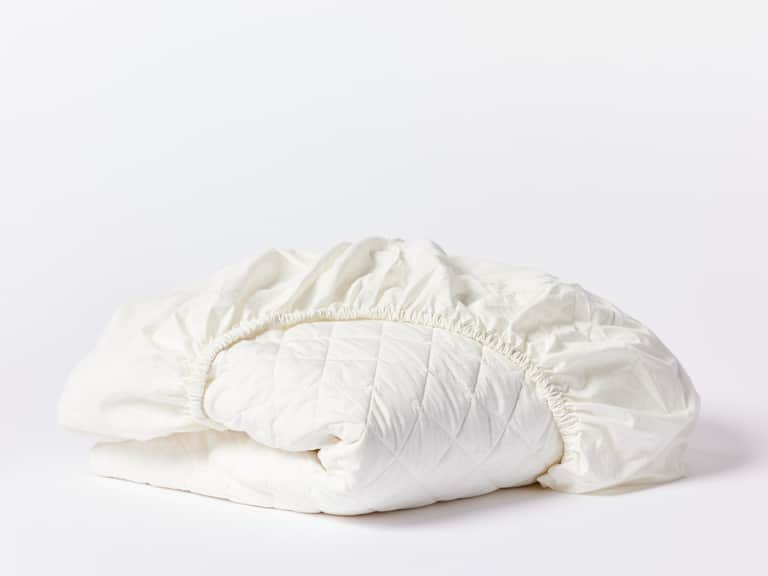
For people who prefer a breathable textile layer, the Obasan Organic Cotton Pad Protector is described as a stretchy, breathable cotton covering that absorbs body moisture. The product information says it can be customized to fit mattresses up to 12 inches thick and recommends machine washing it in warm water by itself, then drying it on medium heat. It should not be treated as a waterproof barrier unless the maker confirms that it offers that level of protection. As with any accessory, check its fit against the mattress and verify its care directions before use.
For households where spills are a regular concern, a breathable cotton pad may not provide enough liquid protection. Compare construction details carefully and look for clear information about waterproofing, breathability, fit, and washing. A waterproof protector can be useful, but the ideal choice depends on the household and the mattress maker’s recommendations. Avoid adding a thick, tightly fitted layer that changes the feel of the bed or interferes with how its cover is intended to function.
Keep the whole sleep setup dry and clean
Mattress care does not begin and end at the surface. Wash sheets and removable bedding according to their own labels, and let them dry fully before making the bed. If the room is damp, improve air circulation around the bed and avoid storing items beneath the mattress in a way that blocks ventilation. A clean, stable foundation helps support the mattress and makes routine inspection easier.
Vacuuming is sometimes recommended for mattress surfaces, but it should not be assumed to be appropriate for every cover. If the maker allows it, use a clean upholstery attachment on a gentle setting and avoid pressing hard or catching the fabric. Do not vacuum exposed latex or remove layers to reach the core unless the manufacturer specifically instructs you to do so.
Also pay attention to the bed frame. A damaged or uneven foundation can affect support, while a mattress placed on a damp or dusty surface may be harder to keep clean. Check the base periodically for stability and follow the mattress maker’s requirements for slat spacing, centre support, or other foundation details. These specifications vary; consult the manual rather than guessing.
Rotating, flipping, and moving
Some owners rotate a mattress to distribute normal wear, but rotation is not automatically appropriate for every natural latex mattress. A mattress with designated head and foot ends, zoning, layered construction, or a one-sided top may have specific instructions. Others may be designed to rotate. Check before changing its orientation, and do not flip a mattress unless the manufacturer says it is reversible.
When moving one, use the handles only as directed. Handles on some mattresses are intended for positioning, not carrying the full weight. Get help, keep the mattress supported, and avoid folding or sharply bending it. If the mattress must be transported, ask the manufacturer how to do so without stressing its layers or cover.
Common mistakes to avoid
Many mattress-care problems start with a reasonable impulse applied too forcefully. A stain appears, so someone reaches for the strongest cleaner in the cupboard. The bed smells stale, so it is sprayed with fragrance. A spill happens, so the cover is unzipped and the mattress is soaked. In each case, an attempt to solve a small problem can create a larger one.
- Do not soak the mattress. Excess moisture may be difficult to remove, especially from internal layers.
- Do not use bleach, solvents, or concentrated cleaners unless the manufacturer explicitly approves them.
- Do not rely on fragrance to address an odour. Find the source of the smell and allow the mattress to dry fully.
- Do not assume a removable-looking cover is washable. Confirm before unzipping or laundering it.
- Do not leave the mattress in direct sun or near intense heat as a shortcut for drying or deodorizing.
- Do not flip or rotate on a generic schedule without checking the model’s design and care instructions.
A practical routine for natural latex mattress care
Good care is more about consistency than elaborate treatments. When changing bedding, check the protector for dampness, damage, or a poor fit. Let the mattress air briefly if the room is dry and well ventilated. Wash the protector according to its label, and ensure it is fully dry before reuse. If a spill occurs, remove bedding, blot gently, and consult the mattress maker before applying a cleaning product.
A quick mattress-care checklist
- Keep the manufacturer’s care instructions accessible.
- Use a protector sized for the mattress depth and intended level of moisture protection.
- Blot small spills promptly and avoid rubbing or soaking.
- Use only cleaning methods approved for the mattress cover.
- Let the mattress and bedding dry completely before remaking the bed.
- Check the room and foundation if dampness or odour keeps returning.
- Confirm instructions before rotating, flipping, removing a cover, or moving the mattress.
When to ask for professional advice
Contact the mattress manufacturer if a spill has penetrated the surface, the cover is damaged, the mattress remains damp, or an odour persists after the area has dried. Describe the model, the material if known, what was spilled, and what steps you have already taken. That information can help the maker recommend a suitable next step and clarify whether an action could affect warranty coverage.
For significant contamination, seek advice before hiring a cleaner. Ask whether the company has experience with latex mattresses and whether its proposed process uses heat, steam, chemical solvents, or substantial moisture. A general upholstery service may not know the limits of a particular mattress construction. If professional cleaning is not approved, replacing a protector or addressing the source of moisture may be the safer option.
Care that protects the materials—and your peace of mind
Natural latex mattress care does not require a complicated kit or a calendar full of treatments. It requires restraint: use a protector suited to the way the bed is used, keep bedding dry, attend to small spills with gentle blotting, and let fresh air do its modest work. For everything involving chemicals, disassembly, deep cleaning, or changes to the mattress’s position, the maker’s instructions are the final word.
That routine may not make a mattress immune to ageing, stains, or accidents. Nothing can. But it can prevent many avoidable problems and help preserve a clean, comfortable sleep surface. The most important tool is not a powerful spray or an elaborate cleaning machine. It is knowing when not to use one.