Blankets and quilts encompass a range of insulating textiles designed to regulate comfort across seasons, from lightweight bed throws to heavier warmth providers. This category focuses on fiber composition, weave structure, and layering compatibility to support varied sleeping environments. Understanding materials like cotton, wool, and blends helps optimize warmth, breathability, and durability for long-term use in bedding ecosystems.
Key considerations include thread count, fabric finish, and loft, which influence softness, drape, and heat retention. Matelasse weaves, quilted patterns, and sateen surfaces contribute to tactile experiences and visual appeal while maintaining easy care and sturdy performance. Selecting appropriate dimensions ensures proper coverage for mattresses and bedding arrangements without restricting movement.
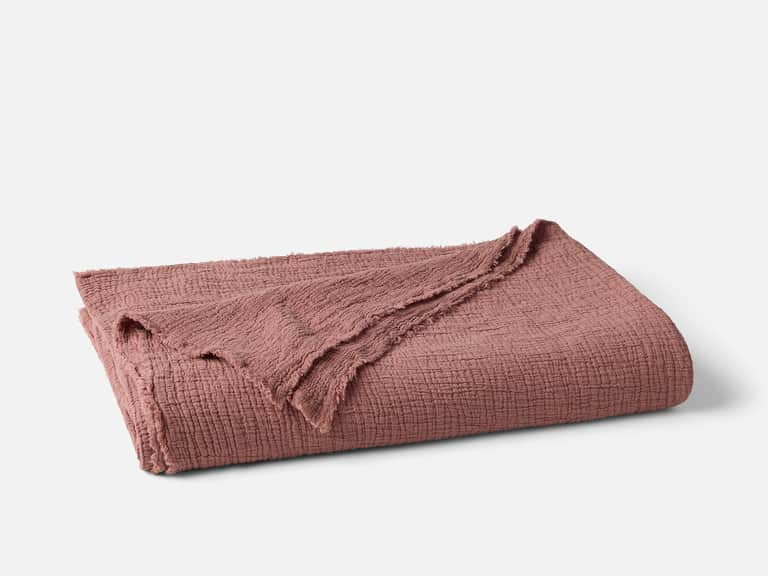
The Topanga Organic Matelasse Coverlet exemplifies how organic fabrics and thoughtful construction address both comfort and sustainability. Its matelassé texture provides a subtle lift and warmth without bulk, while organic materials support breathability and skin-friendly use. Such pieces can serve as versatile layers in mixed sleep setups, adapting to seasonal needs.
For versatile usage, blankets and quilts pair with other bedding components like sheets, pillows, and organic mattresses to create balanced sleep environments. Layering with breathable fabrics enhances thermal regulation, reduces overheating, and promotes restful sleep. Functional benefits include easy care, durability, and compatibility with a variety of bed sizes and configurations.
In education-focused bedding discussions, emphasis is placed on material safety, certifications, and lifecycle considerations. Natural fibers, low-chemical finishes, and responsible manufacturing practices contribute to healthier indoor environments. This category highlights how informed choices about blankets and quilts can influence comfort, hygiene, and overall sleep quality.
 Bedding