Crib mattresses provide a specialized sleeping surface designed for infants, emphasizing safety, durability, and appropriate firmness. In this category, materials and construction influence spinal alignment, breathability, and moisture management. Understanding core features such as core support, edge firmness, and removable covers helps caregivers select a model that supports healthy development and easy sanitization.
Key characteristics to consider include durability for daily use, hypoallergenic materials, and low VOC emissions to minimize household exposure. Crib mattress pads and toppers, including latex and wool options, can enhance comfort without compromising safety. For new parents, evaluating mattress height, fit within standard cribs, and fit against guardrails is essential for safe use.
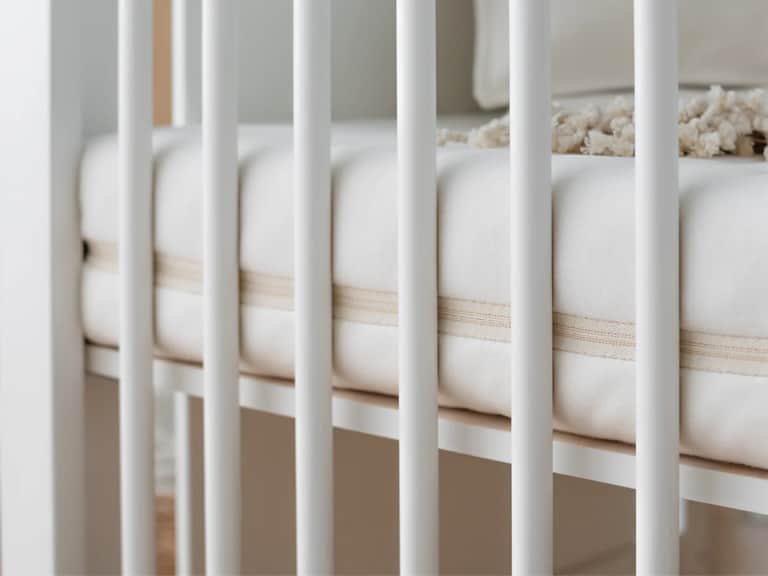
Among notable products, the Obasan Organic Crib Mattress exemplifies natural materials and thoughtful construction. It combines organic cotton with a non-toxic interior, offering a firm, predictable sleep surface while maintaining breathability. The design prioritizes chemical-free components and easy cleaning, supporting a hygienic sleeping environment for infants.
Parents and caregivers may also consider compatibility with bedding accessories, such as toppers and breathable layers, to regulate temperature and moisture. While innerspring and latex mattress toppers exist in broader bedding contexts, crib-specific models focus on safety standards, mattress stiffness, and long-term comfort for growing children.
Overall, crib mattresses integrate safety, materials science, and ergonomic support to foster restful infant sleep. By examining core features like firmness, moisture management, and cleanability, families can make informed decisions that align with privacy considerations and daily caregiving routines, while noting the relevance of keywords such as toppers, latex mattress toppers, wool mattress toppers, innerspring mattresses, and bedding.
 Nursery